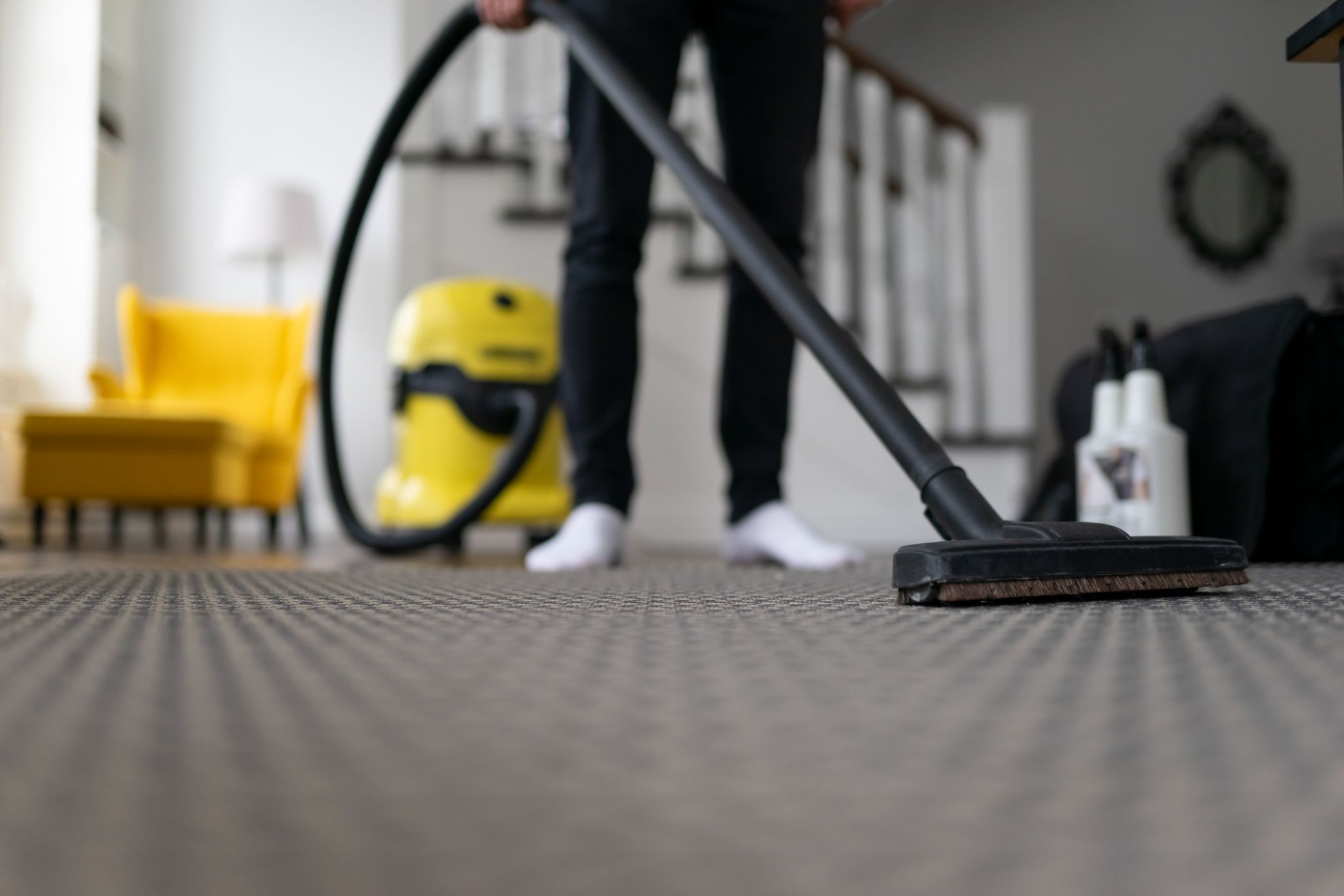
Your carpet soaks up dust, spills, foot traffic, and everything daily life throws at it. Before you know it, it looks dull or even smells off. That’s usually the moment you start wondering how to clean your carpet at home.
We see this in homes across Singapore every day. Professional cleaning helps, but there’s plenty you can do yourself if you follow the right steps.
Your Carpet Looks Clean But is it Truly?
Carpets are great at hiding dirt. Dust mites, fine debris, skin cells, and moisture settle deep into the fibres.
In Singapore’s humid climate, that trapped moisture becomes a bigger issue. It can lead to odours, faster wear, and in some cases, mould growth.
Regular surface cleaning helps. But cleaning with intention is what actually keeps your carpet fresh.
Move Your Furniture Out of the Way Before You Start Carpet Cleaning
Before any cleaning happens, clear the space.
Move chairs, small tables, and loose items off the carpet. If larger furniture can’t be moved, shift it slightly to expose hidden areas. These spots collect the most dust and grit because they rarely get cleaned.
Sliding furniture instead of lifting can damage carpet fibres. Lift where you can. Use furniture sliders or a towel underneath heavier items to protect the carpet and your back.
Clearing the floor also helps you clean more evenly. You can vacuum properly, spot stains you might have missed, and avoid working around obstacles.
Once the space is open, you’re ready to start cleaning.
Start with the Step Most People Rush Through
Vacuuming sounds basic. It’s actually one of the most important ones.
If you’re wondering how to clean your carpet at home properly, this step matters more than any cleaning solution.
The key is to vacuum slowly. Go over the same area more than once. Focus on high-traffic zones like entrances, sofa areas, and hallways.
Use the right setting. If your vacuum has a height adjustment, set it to suit your carpet pile. A setting that is too high will not lift dirt. Too low can damage fibres.
Do this before any wet cleaning. Always.
Spot Cleaning Stains Before They Settle in for Good
Spills on your carpet happen. What you do in the first few minutes makes all the difference. The longer a spill sits, the deeper it seeps into the fibres.
Blot. Do not rub.
Use a clean cloth or paper towel and press gently to absorb as much liquid as possible. Rubbing only spreads the stain and pushes it deeper.
For most fresh stains, a simple mix works well:
- Lukewarm water
- A small amount of mild dish soap
Apply lightly, then blot again. Let the area air dry completely.
Avoid harsh chemicals or bleach. These can weaken carpet fibres and leave light patches behind. Once that damage happens, it can’t be reversed.
If the stain is old or you’re unsure what caused it, always test any solution on a hidden area first. If there’s no discolouration or texture change, repeat the same steps for spot cleaning

Deep Cleaning at Home Without Fancy Machines
You don’t actually need industrial equipment to deep clean your carpet at home. What you do need is patience and proper drying time.
For a simple deep clean:
- Vacuum thoroughly to remove loose dirt and dust
- Lightly mist the carpet with a mild carpet shampoo diluted in water
- Use a soft brush to gently work the solution into the fibres
- Let it sit briefly, then blot with a dry cloth to absorb moisture
- Allow the carpet to dry fully with good ventilation
Fans help. Open windows if possible. In Singapore, drying time matters. A damp carpet left too long can develop unpleasant odours.
Avoid soaking the carpet. Over-wetting is one of the most common mistakes and can lead to mould, smells, and fibre damage.
Deodorising Your Carpet Without Masking the Problem
If your carpet smells musty, spraying fragrance isn’t the solution. It only covers the odour temporarily.
Baking soda can help neutralise mild smells:
- Sprinkle a light, even layer over the carpet
- Leave it for at least a few hours, or overnight if possible
- Vacuum thoroughly to remove the residue
This works well for light odours caused by moisture or everyday use. If smells keep returning, it usually means dirt or moisture is trapped deep within the carpet fibres.
That’s when home methods start reaching their limit.
How Often You Should Really Be Cleaning Your Carpet
There’s no one-size-fits-all answer. How often you clean depends on how you live and how your space is used.
As a general guide:
- Vacuum at least once a week to remove surface dirt and dust
- Spot clean spills immediately to prevent staining
- Do a deeper clean every 3 to 6 months to refresh the fibres
Homes with pets, young children, or heavy foot traffic may need more frequent attention. In Singapore’s climate, moisture control matters just as much as cleanliness. Again, carpets that stay damp for too long can trap odours and develop mould.
Read more about — The Benefits of Regular Carpet and Upholstery Cleaning

Common Carpet Cleaning Mistakes to Avoid
We see these mistakes far more often than people realise:
- Using too much water, which can soak into the backing and cause odours or mould
- Scrubbing aggressively, pushing stains deeper and damaging carpet fibres
- Mixing cleaning products, creating residue or chemical reactions that discolour carpets
- Skipping drying time, leaving moisture trapped beneath the surface
- Assuming one clean fixes everything, even when dirt has built up over time
Each of these shortens your carpet’s lifespan. Once fibres break down, no cleaning method can reverse the damage.
Different Carpet Types Call for Different Cleaning Methods
Carpets aren’t all made from the same materials. Treating them like they do is one of the fastest ways to cause damage without realising it.
Before you reach for water or cleaning solution, it helps to know what your carpet is made of. Check the labels. The fibre type affects how much moisture it can handle, how it reacts to cleaning products, and how long it needs to dry.
Synthetic Carpets
Most modern homes use synthetic fibres like nylon, polyester, or polypropylene (olefin). These carpets are designed to handle regular use and light moisture better than natural fibres.
They respond well to routine vacuuming, spot cleaning, and gentle deep cleaning at home. Drying time is still important, especially in Singapore’s humidity, but these fibres are less likely to shrink or warp when cleaned correctly.
That said, over-wetting can still leave residue behind. Even durable carpets need moderation.
Natural Fibre Carpets
Natural fibre carpets include materials like wool, sisal, jute, and seagrass. These carpets look great, but they need a gentler approach.
Natural fibres absorb moisture more easily and take longer to dry. Too much water or heat can cause stiffness, distortion, or texture changes once the carpet dries. Strong detergents can also strip the fibres and leave them feeling rough.
If your carpet falls into this category, use minimal moisture, mild solutions, and allow plenty of drying time. Good ventilation matters. When in doubt, stop early rather than pushing through.

Pile Height Affects Drying and Dirt Build-Up
Low-pile carpets release dirt and moisture more easily. They dry faster and are generally easier to maintain at home.
High-pile or shaggy carpets trap dust deeper within the fibres. They also take longer to dry, which increases the risk of odours if ventilation is poor.
This is where patience matters. Slower vacuuming and longer drying time aren’t optional, they’re essential.
When Should You Call in a Professional Carpet Cleaner
Home cleaning works well for maintenance. But it’s not always enough for deeper issues.
You should consider professional carpet cleaning if:
- Stains keep reappearing
- There’s a persistent smell
- The carpet feels sticky or stiff after cleaning
- Mould or water damage is suspected
- It’s been over a year since the last deep clean
Professional equipment extracts dirt and moisture from deep within the carpet. That’s something home tools simply can’t match.
A Cleaner Carpet Feels Different Under Your Feet
Knowing how to clean your carpet at home gives you control. It helps your carpet last longer. It keeps your space healthier and more comfortable.
Do the basics well. Be gentle. Stay consistent. And when your carpet needs more than what home methods can offer, you’ll know.
If your carpet needs more than home cleaning can provide, professional help can make a real difference. Reach out to us via WhatsApp or our contact form for enquiries or to book a cleaning appointment.